The Masked Rider on the Newsstand
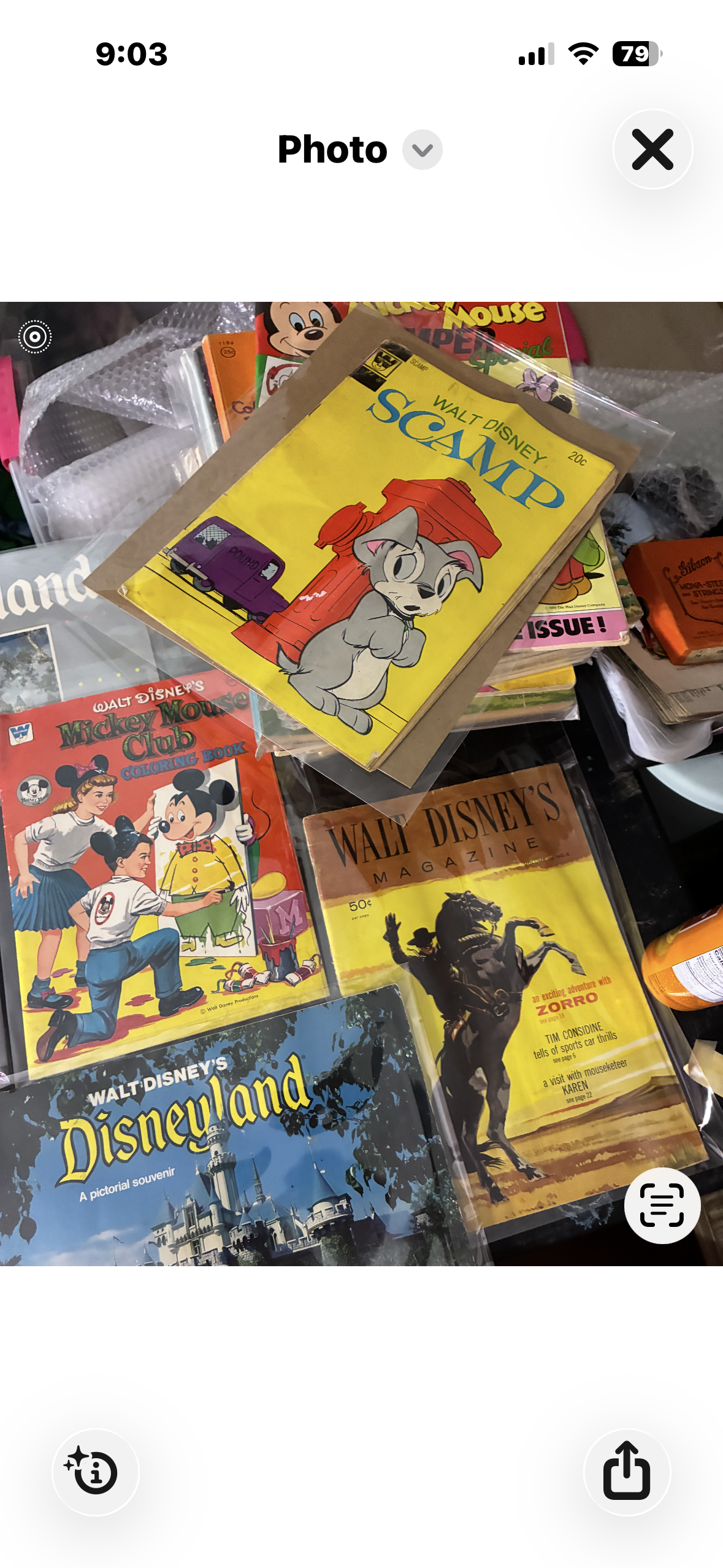
There is something undeniably electric about a magazine cover that stops a child cold in a 1958 drugstore. Walt Disney's Magazine Vol. III No. 2 does exactly that: a bold, action-charged image of Zorro astride a rearing black horse, cape snapping, the unmistakable mask cutting across a hero's jaw. For a quarter-century this particular issue sat in an estate collection, and today it resurfaces as a genuine artifact of the late-1950s Disney golden moment — a time when the studio's reach extended from Anaheim to living-room television sets to glossy pages at the checkout counter.
The cover price was fifty cents — not nothing for a family in 1958 — and every cent was justified. Inside, readers found the full Disney universe compressed into a single periodical: feature stories, fan club news, Mouseketeer updates, and the kind of illustrated storytelling that made waiting rooms and rainy afternoons disappear.
Zorro: Disney's Dark Horse of the Silver Age
By 1958 the ABC television series Zorro, starring Guy Williams, had become a cultural phenomenon. Premiering in October 1957, the show gave Walt Disney Productions something it had not quite possessed before: a brooding, cape-and-sword action hero capable of rivaling anything on a competitor's schedule. Zorro was not a fairy-tale prince or a talking animal. He was dangerous, athletic, and morally serious — a nobleman's son who chose the mask over comfort to defend the poor of Spanish California. Children adored him. Parents respected him. Merchandisers could not keep product on shelves.
That the magazine's editors chose Zorro for a cover in the second year of publication speaks directly to how quickly the character had seized the Disney brand's imagination. The rearing-horse composition was a visual shorthand the whole country recognized: it meant the hero had arrived, the villain had reason to fear, and the adventure was only beginning. This cover is therefore not merely a pretty image — it is a snapshot of a character at the absolute apex of his cultural moment.
What Else Is Inside
A collector opening this issue today finds it anchored by that commanding Zorro cover, but the interior content adds its own historical texture. An article on Tim Considine — the young actor best known from the Spin and Marty serials on The Mickey Mouse Club and later from The Shaggy Dog — focused on his passion for sports cars, a subject tailor-made for the late-1950s teenage reader who saw horsepower as the new frontier. Considine was a genuine car enthusiast, and Disney's willingness to lean into that personal detail reflects the magazine's savvy mix of fan-club intimacy and real-world personality journalism.
Equally charming is the reported visit feature involving Mouseketeer Karen — almost certainly Karen Pendleton, one of the original twenty-four Mouseketeers whose earnest, girl-next-door presence made her a favorite among the show's enormous audience. These behind-the-scenes glimpses were catnip for young readers who felt, through the magazine, like insiders in the Disney family. Reading one today is a quiet time machine: the cadence of the prose, the layout conventions, the advertisements framing the columns — all of it places you firmly in Eisenhower's America, a culture simultaneously innocent and quietly electric with change.
Silver Age Collectibility and Estate Provenance
Collectors and archivists use the term Silver Age to describe Disney publishing and merchandise from roughly the mid-1950s through the mid-1960s — the era bracketed by the opening of Disneyland (1955) and the creative turbulence that followed Walt's death (1966). It was a period of extraordinary output: the Disneyland and Mickey Mouse Club television programs, a booming theme park, and a licensing apparatus that produced magazines, records, toys, lunchboxes, and games at a pace the studio had never previously attempted.
Walt Disney's Magazine itself ran only from 1956 to 1959, making a complete run genuinely difficult to assemble. A Vol. III No. 2 from 1958, with its high-recognition Zorro cover, sits near the heart of that short but fertile publishing window. Issues that have survived decades in estate storage — away from light, humidity, and the rough hands of childhood — tend to carry the honest patina of age rather than the ravages of neglect. This copy comes to us from exactly that kind of long-dormant collection, which is often where the most authentic survivors emerge.
Whether you are building a focused Zorro archive, documenting the full run of Walt Disney's Magazine, or simply want a single evocative object that captures the mood of late-1950s Disney at its most confident, this issue earns its place on any serious shelf. The masked man on his rearing horse has been waiting quietly for the right home. Perhaps it is yours.
Thinking of selling? Get a free, no-obligation offer.
One direct offer on your entire Disney collection — no commission, no auction wait. We help arrange the shipping.